Product Introduction
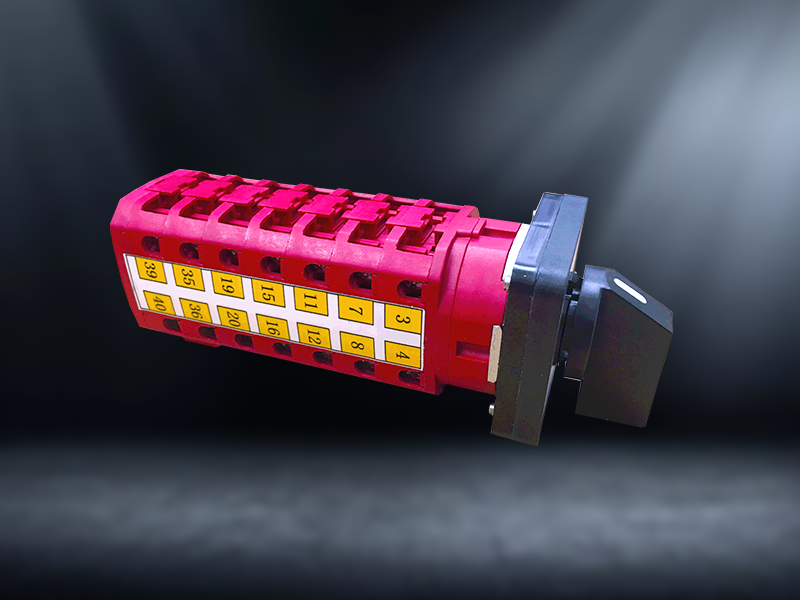
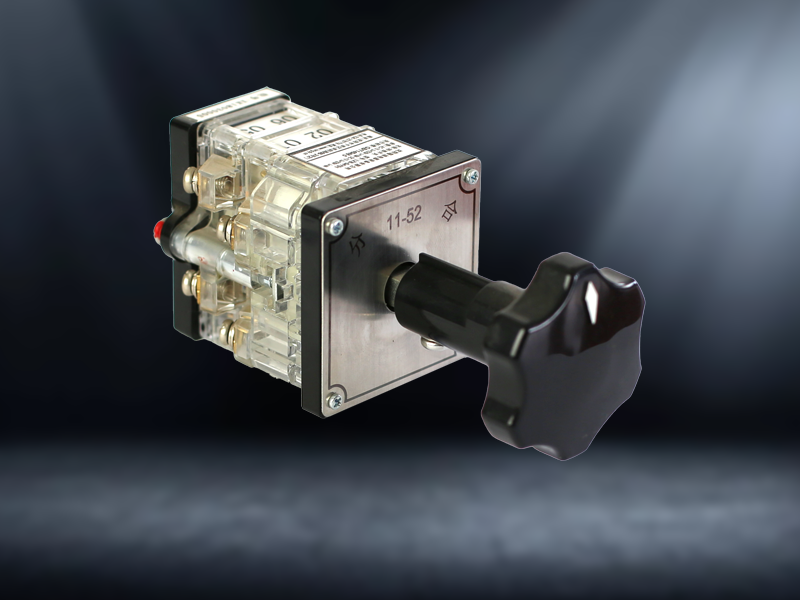
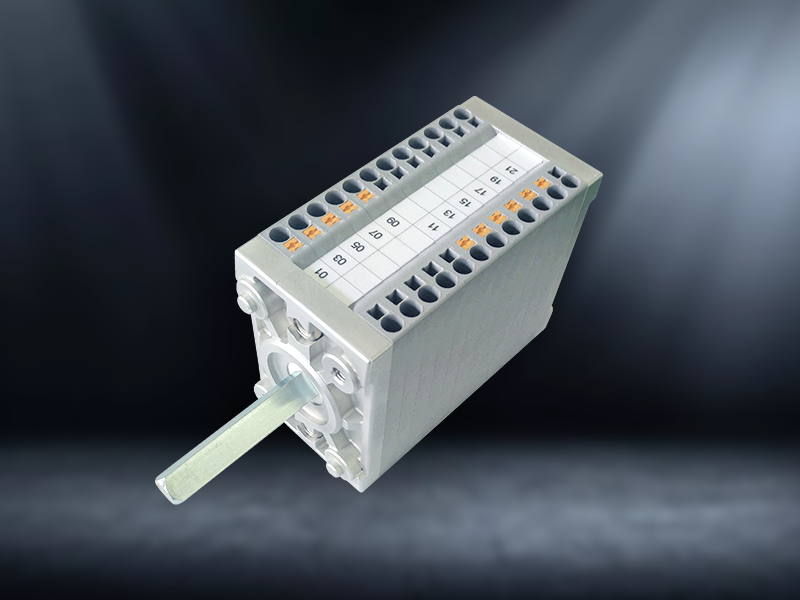
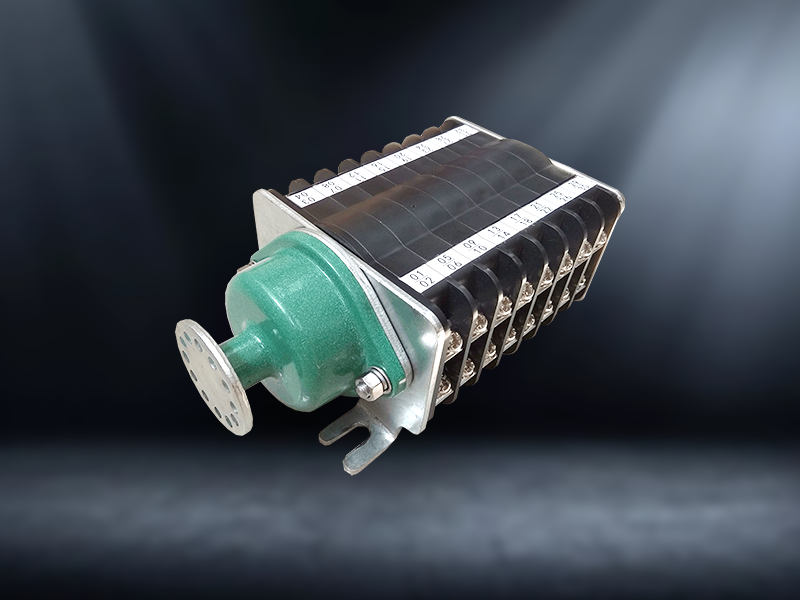
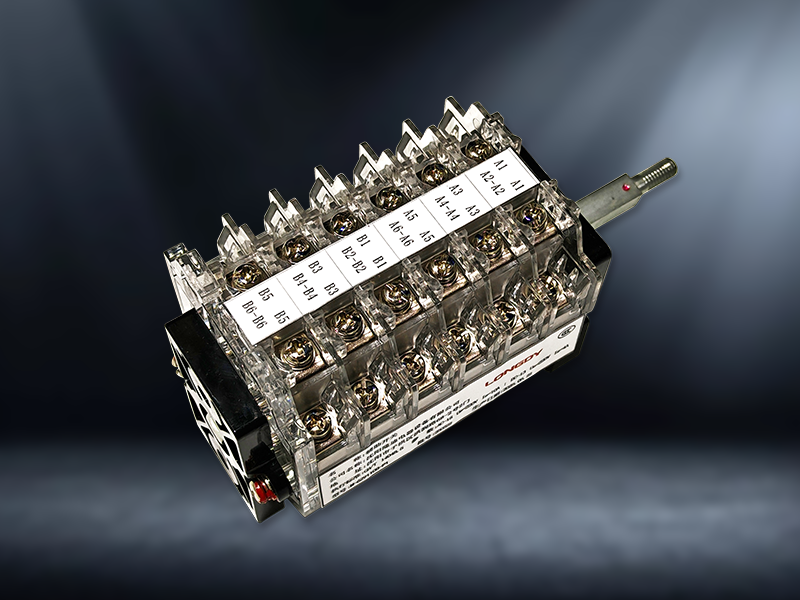
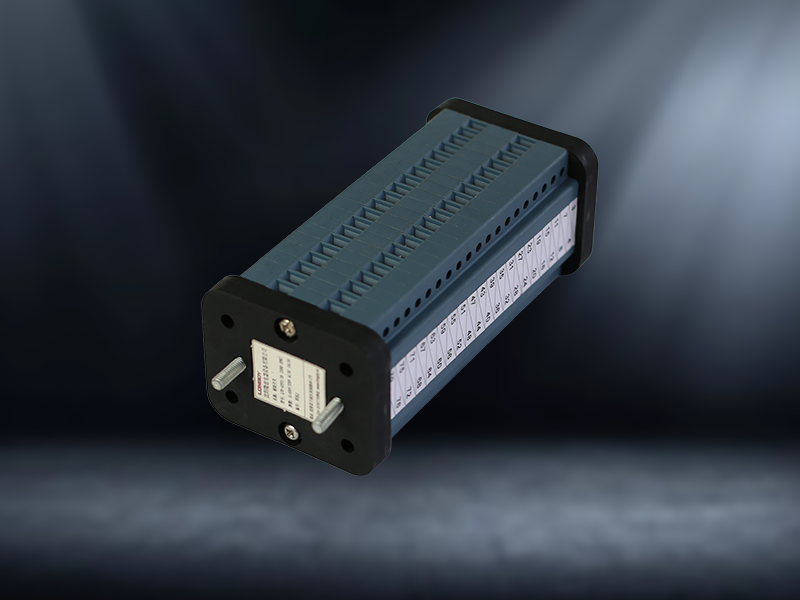
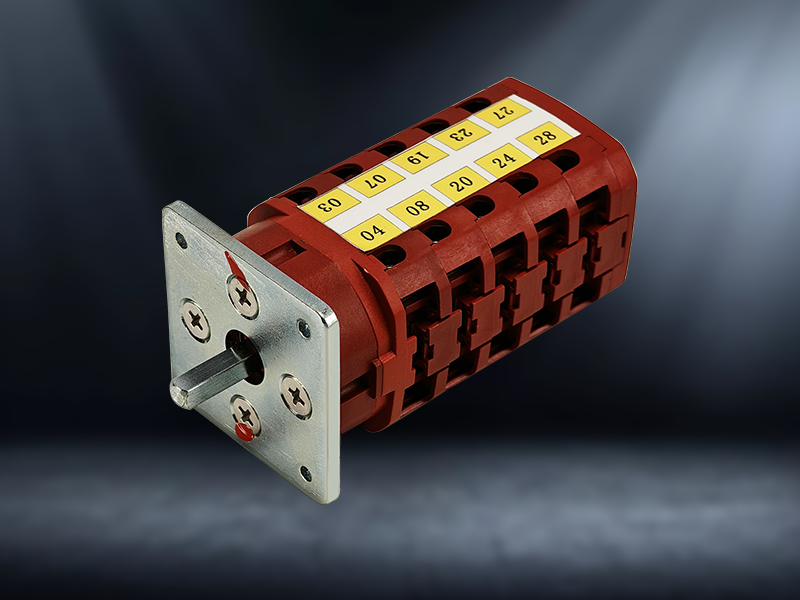
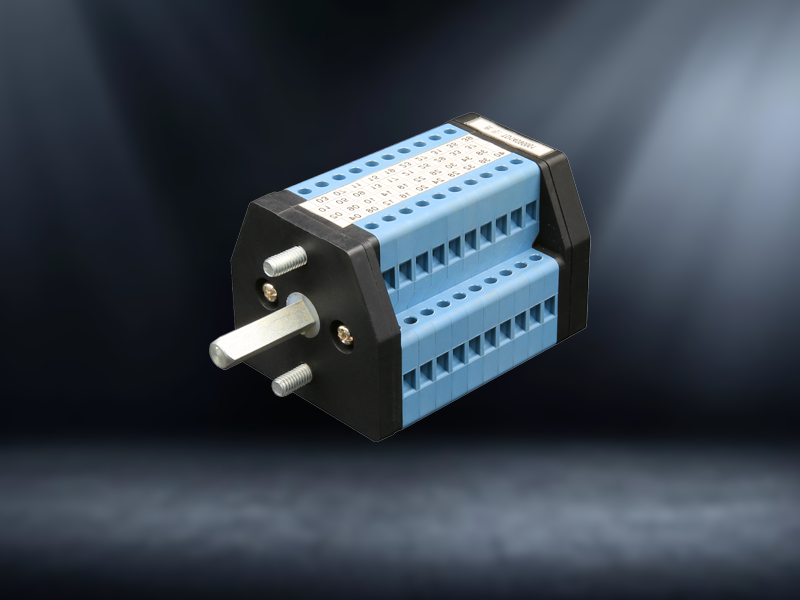
The FR1 series auxiliary switch is developed and designed by our company based on the FR series auxiliary switch, in response to the situation where customers need to wire on the same side of the switch due to space or installation position reasons in actual use. As a supplement to the FR product, the application scope of this series of switches has been expanded. The FR1 series auxiliary switches possess all the advantages of the FR series switches and are suitable for controlling the closing, opening, interlocking, and signal circuits of various high-voltage switch operating mechanisms. They can also be used as conversion or combination switches.
Switch selection
6K6B、8K8B、14K14B
Application equipment
Three-station mechanism, electric mechanism
Environmental conditions
1、Ambient air temperature: -40℃ to +70℃;
2. Altitude: No more than 5,000 meters;
3. Humidity: The average relative humidity within 24 hours shall not exceed 95%. The average pressure of water vapor does not exceed 2.2kPa. The monthly average relative humidity shall not exceed 90%. The average pressure of water vapor does not exceed 1.8kPa.
4. The vibration acceleration shall not exceed 15m/s².
5. The surrounding air is not obviously polluted by dust, smoke, corrosive or flammable gases.
Working principle
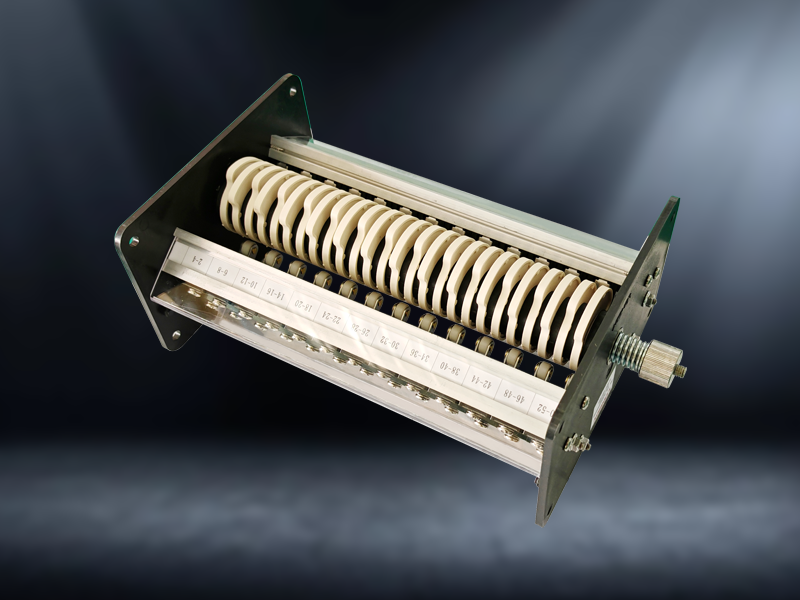
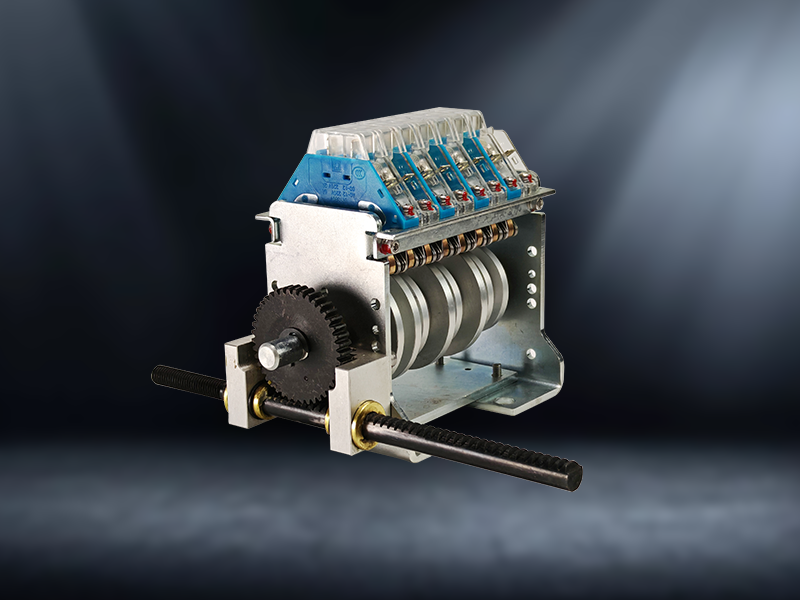
The FR1 series auxiliary switch adopts an indirect drive structure. It rotates the square shaft to drive the CAM, and then the CAM pushes the switch connecting rod, causing the moving contact piece to move, thereby achieving connection or disconnection to control the electrical circuit.
Switch structure
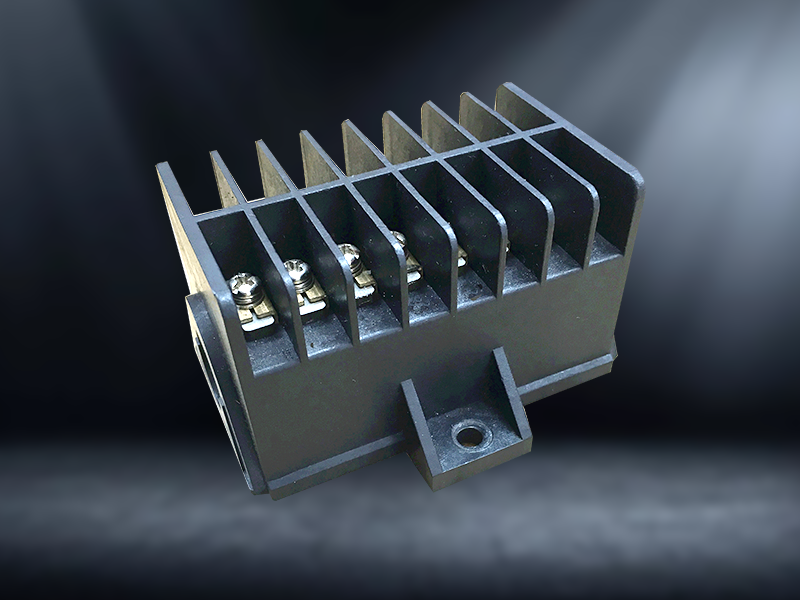
The FR1 series auxiliary switches are composed of multiple units with the same structure. The contact adopts silver alloy composite contact points. Both the moving and fixed contact pieces are made of high-quality brass, and the insulating sheet is made of imported high-quality flame-retardant reinforced nylon material, which has high strength, good insulation performance, reasonable structure and good dust-proof performance.
Wiring method
Insertion and crimping





 Longdy's official account