The hierarchical control strategy for the authority of high-voltage auxiliary switches in the five-prevention interlock logic
In modern power systems, ensuring equipment safety and operational reliability is of vital importance. Among them, the "permission hierarchical control strategy when high-voltage auxiliary switches participate in the five-prevention interlock logic" has become one of the core mechanisms to ensure the stable operation of the system. This article will delve deeply into this strategy, analyze its significance in practical applications, and demonstrate how to enhance the security of the system through reasonable permission management.
I. Introduction to the Five-Prevention Locking Logic
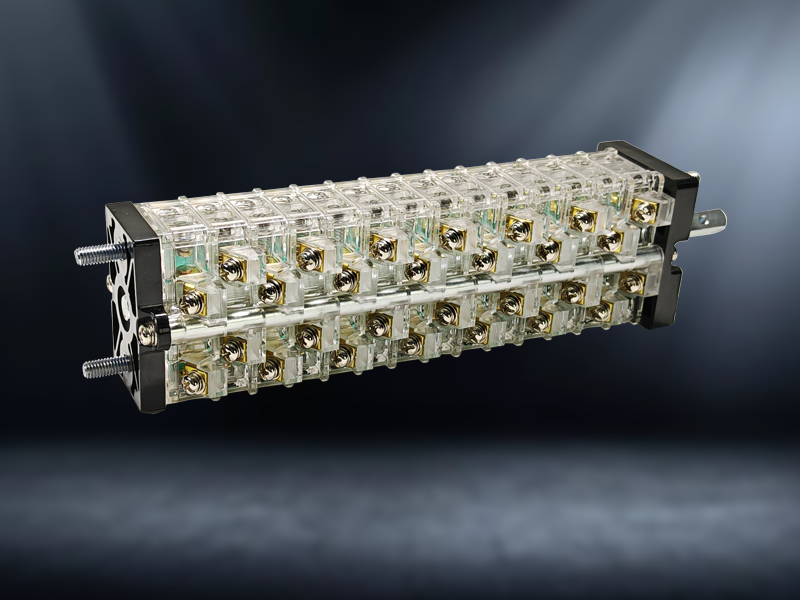
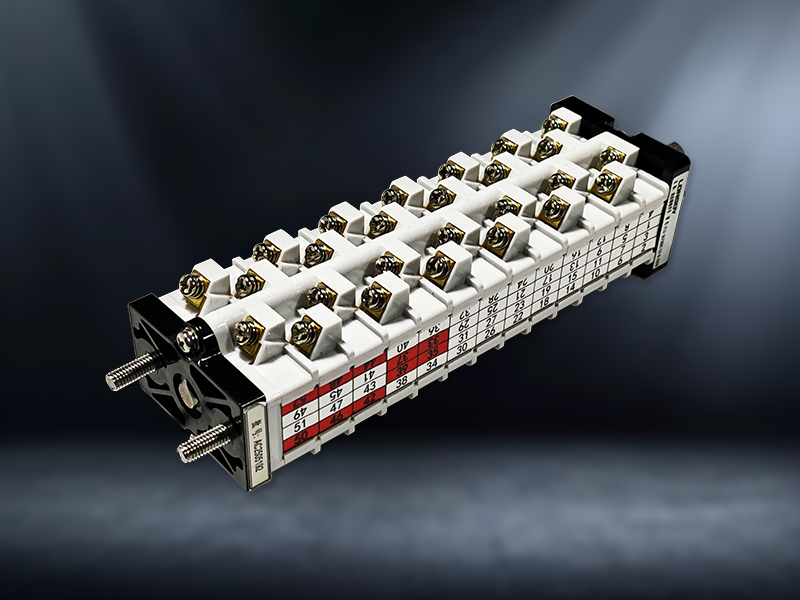
The five-prevention interlock logic refers to a set of protective measures designed to prevent misoperation, mainly including five aspects such as preventing the accidental opening and closing of circuit breakers and preventing the pulling of disconnectors under load. In this process, high-voltage auxiliary switches play a crucial role. They not only provide necessary signal support but also participate in complex logical judgments, thereby achieving precise control of electrical equipment.
Ii. The Function and Challenges of High-Voltage Auxiliary Switches
With the increasing complexity of power systems, the requirements for high-voltage auxiliary switches are also getting higher and higher. Especially when dealing with the "permission hierarchical control strategy when high-voltage auxiliary switches participate in the five-prevention interlock logic", it is necessary to ensure a rapid response while also ensuring that unnecessary shutdowns or accidents will not occur due to misjudgment. Therefore, it is particularly important to establish a scientific and reasonable permission management system.
Iii. Detailed Explanation of the Hierarchical Control Strategy for Permissions
1. Define different levels of user permissions: Assign corresponding access levels to staff members based on their roles (such as ordinary operators, maintenance engineers), restricting them to perform tasks within a specific range only.
2. Implement a dynamic authorization mechanism: When new operational requirements arise, the permissions of certain accounts can be temporarily upgraded to meet work needs. However, a validity period should also be set to avoid the risks brought by holding excessively high permissions for a long time.
3. Enhance log recording and auditing functions: All operations related to the "hierarchical control of permissions when high-voltage auxiliary switches participate in the five-prevention interlock logic" should be recorded in detail for subsequent traceability and analysis.
4. Regular training and education: Strengthen safety awareness education and technical training for relevant personnel, enabling them to understand the latest industry standards and technological development trends, so as to better understand and implement relevant rules and regulations.
Iv. Case Sharing
A large substation adopted the "permission hierarchical control strategy when high-voltage auxiliary switches participate in the five-prevention interlock logic" mentioned above. After a period of actual operation, it was found that this scheme greatly reduced the fault occurrence rate caused by human factors and also improved the automation level of the entire system. More importantly, in this way, even in the face of unexpected situations, a prompt response can be made, effectively avoiding potential safety hazards.
Conclusion
In conclusion, the "Permission hierarchical control Strategy when high-voltage auxiliary switches participate in the five-prevention interlock logic" is not only an innovation in technology but also a progress in the concept of safety management. In the future, with the application of more intelligent means, it is believed that such a management model will be further improved and developed, contributing to the construction of a safer and more reliable power grid environment.






 Longdy's official account



 Previous article
 Next article
 Return


