Analysis of the Positioning of High-voltage auxiliary switches in Electrical Systems: Are They "supporting roles" or "Key Roles"?
In the complex architecture of modern electrical systems, every component plays an indispensable role. However, when it comes to high-voltage auxiliary switches, their status is often underestimated and they are even regarded as secondary "supporting roles". However, after in-depth analysis, it is not difficult to find that the high-voltage auxiliary switch is actually a "key role" in ensuring the safe and efficient operation of the system. This article will provide a detailed analysis of the positioning of high-voltage auxiliary switches in electrical systems and explore why they can stand out among numerous components and become an indispensable presence.
Firstly, the basic function of a high-voltage auxiliary switch is to provide indication and control signals for the circuit status. It monitors the state changes of the main circuit, such as the on-off of current or voltage fluctuations, and then outputs corresponding electrical signals to achieve control or alarm of other devices. This process may seem simple, but it is actually of vital importance. Without the precise feedback of high-voltage auxiliary switches, the automation control of the entire electrical system will be greatly compromised, and its safety will also be seriously threatened. Therefore, from a functional perspective, high-voltage auxiliary switches are by no means simple "supporting roles", but rather the key to maintaining the stable operation of the system.
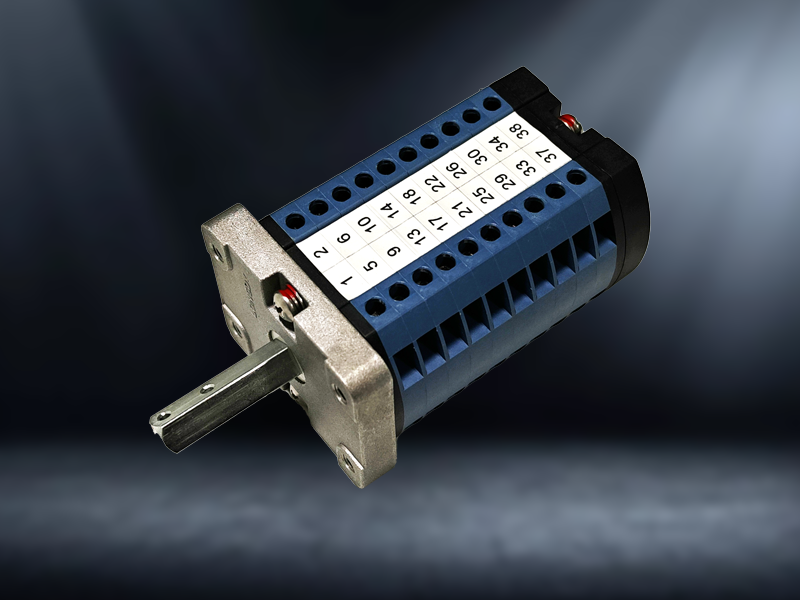
Furthermore, the design and application of high-voltage auxiliary switches demonstrate a high degree of professionalism and technicality. To meet the requirements of different voltage levels and working environments, these switches must have excellent insulation performance, withstand voltage capacity and reliability. Meanwhile, with the development of intelligent technology, modern high-voltage auxiliary switches have also integrated more advanced sensing technologies and communication protocols, enabling them to respond more quickly and accurately to various changes in working conditions. This continuous technological innovation and upgrading have undoubtedly enhanced the status of high-voltage auxiliary switches in the entire electrical system, making them a truly "key role".
Furthermore, from the perspective of practical application, the significance of high-voltage auxiliary switches is self-evident. In the processes of power transmission, distribution and various industrial production, any unexpected power outage or malfunction may cause huge economic losses and social impacts. The high-voltage auxiliary switch, as the first line of defense against such incidents, plays a role that cannot be ignored. They can detect abnormal situations in the first instance and respond promptly, thereby effectively preventing the occurrence or expansion of accidents. This ability to "prevent trouble before it happens" is the best proof of the high-voltage auxiliary switch as a "key role".
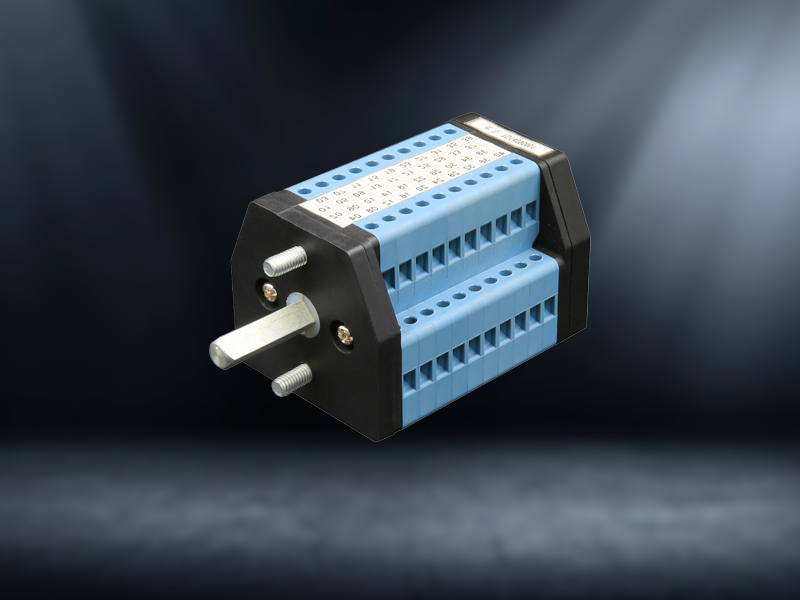
To sum up, although high-voltage auxiliary switches may not be as eye-catching as some core components, the role they play in electrical systems is irreplaceable. Whether it is from the realization of basic functions, the application of technological innovation, or the guarantee of actual effects, high-voltage auxiliary switches have demonstrated their unique charm as a "key role". Therefore, when we re-examine this tiny component, it is advisable to pay more attention and attach greater importance to it, because it is precisely because of "unsung heroes" like high-voltage auxiliary switches that our electrical world can operate more safely and reliably.






 Longdy's official account



 Previous article
 Next article
 Return


